
An arrest involving suspected drunk driving can leave people unsure about what happens next. Many drivers are unfamiliar with how breath and blood tests work or why these tests play such an important role in DUI investigations. Questions about accuracy, legal limits, and testing procedures often come up shortly after an arrest.
Understanding the basics of chemical testing can help drivers make informed decisions during a stressful time. In California DUI cases, law enforcement may rely on either breath or blood testing to measure blood alcohol concentration (BAC). Each method has different procedures, limitations, and legal considerations that may affect a case.
How Breath Tests Are Commonly Used During DUI Stops
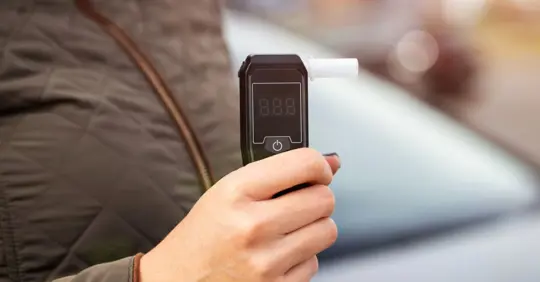
Breath testing is one of the most common methods officers use during DUI investigations. Portable breath devices may be used during roadside stops, while larger machines are often located at police stations or detention facilities. These tests estimate BAC by measuring alcohol present in a person’s breath.
Although breath tests are widely used, several factors can influence the results. Device calibration, testing conditions, and even certain medical conditions may affect accuracy. Timing also matters because alcohol levels can rise or fall depending on when the person last consumed alcohol.
Factors That May Affect Breath Test Results
Breath test readings are not always as straightforward as they appear. Different circumstances may influence whether the result accurately reflects a person’s BAC at the time of driving.
- Improper Calibration: Testing devices require routine maintenance and calibration to help ensure reliable readings.
- Medical Conditions: Acid reflux, diabetes, and other health conditions may interfere with some breath test results.
- Testing Timing: BAC levels can change over time, especially if alcohol was consumed shortly before driving.
Because multiple variables may impact a breath test, the surrounding circumstances often become important during DUI case evaluations. Reviewing how and when the test was administered may help identify potential issues.
When Blood Tests May Be Requested
Blood testing is another method law enforcement may use in DUI investigations. Unlike breath testing, blood samples are typically collected by medical professionals and later analyzed in a laboratory. Blood tests are sometimes requested when officers suspect drug impairment or when a breath test is unavailable.
Many people assume blood testing is automatically more accurate than breath testing. While blood analysis may provide detailed results, the process still depends on proper collection, storage, and handling procedures. Mistakes during any stage of testing could raise questions about reliability.
In some DUI cases, delays between driving and blood collection may also affect the final result. Alcohol and certain substances metabolize over time, which means the reported BAC may not always reflect the level present while the person was operating a vehicle.
Common Legal Issues Involving Blood Tests
Blood test evidence may become a central issue in DUI cases, particularly when questions arise about how the sample was handled or analyzed.
- Chain of Custody Concerns: Errors in labeling or transferring samples may create doubts about whether the correct sample was tested.
- Delayed Testing: Significant delays between driving and sample collection may impact BAC calculations.
- Laboratory Procedures: Improper storage or contamination could affect the accuracy of the analysis.
Because blood testing involves several technical steps, attorneys often review records carefully to determine whether proper procedures were followed. Even small errors may become relevant when evaluating the strength of the evidence.
Why Chemical Test Evidence Matters in DUI Cases
Breath and blood test results can heavily influence how prosecutors approach DUI charges. Prosecutors may use chemical testing to support allegations involving impaired driving or BAC levels above the legal limit. However, these tests represent only one part of the overall investigation.
Officer observations, field sobriety tests, witness statements, and video footage may also play a role in the case. In some situations, inconsistencies between test results and other evidence may become important during defense preparation.
Every DUI case involves unique facts, which is why reviewing all available evidence is critical. Understanding how chemical tests work may help drivers better understand the legal process ahead.
Discuss Your DUI Charges With Middlebrook & Associates
Questions about breath and blood testing often arise quickly after a DUI arrest. Understanding how these tests are administered, what factors may affect the results, and how chemical evidence is used in court can help drivers feel more informed about their situation.
The legal process surrounding DUI allegations can be complex, especially when chemical testing evidence is involved. Middlebrook & Associates assists individuals accused of DUI offenses by reviewing the details of the arrest, testing procedures, and surrounding evidence. To learn more or schedule a consultation, contact Middlebrook & Associates today at (661) 874-1325.