
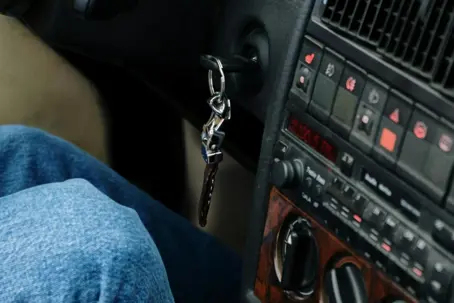
Finding out that you have to install an ignition interlock device after a DUI in Kern County can feel like your life just shrank to the size of your steering wheel. You may be wondering how you are supposed to get to work, take care of your family, and avoid making things worse with the court or the DMV. The requirement sounds simple on paper, but the reality can be confusing and stressful.
For drivers with a second or third DUI, ignition interlock often becomes the difference between being able to drive legally and facing a long, hard suspension. California’s laws apply statewide, but the way they play out in Kern County courtrooms and at DMV offices catches many people off guard. Deadlines come quickly, and small mistakes, like missing a hearing or misunderstanding an IID condition, can cost you months of driving time.
At Middlebrook & Associates, we focus on DUI defense in Kern County and have handled thousands of DUI cases in and around Bakersfield. We regularly guide clients through both the criminal case and the separate DMV process when an ignition interlock is involved. In this guide, we want to walk you through how ignition interlock works here, what it really means day to day, and how informed legal strategy can change what your future looks like.
What Ignition Interlock Really Means in Kern County
An ignition interlock device (IID) is a small breath-testing device installed in your vehicle’s ignition. Before the car starts, you must blow into the device. If your breath alcohol content is below the preset limit, the car starts. Otherwise, it records the attempt and prevents the vehicle from starting.
Once on the road, most devices require rolling retests at random intervals. This ensures that the driver who started the car is still the one operating it and is not impaired. Missing a retest or registering alcohol can trigger warnings, which are recorded and reviewed at regular service appointments.
In Kern County, courts, probation departments, and the DMV may review IID data to monitor compliance. Many drivers mistakenly believe that avoiding driving entirely eliminates the IID requirement. In reality, for repeat DUIs, the quickest path back to legal driving often involves installing an IID and adhering to its conditions.
When Ignition Interlock Is Required After a DUI in Kern County
California law differentiates between first-time and repeat DUI offenses when it comes to ignition interlock requirements.
- First DUI: Shorter IID periods or sometimes no IID requirement, depending on the severity and presence of injury.
- Second DUI within 10 years: Longer IID periods, stricter license consequences, and court expectations for installation.
- Third DUI, DUI with injury, or refusal: Significantly longer IID requirements, and more restrictive license options.
Factors that affect IID duration include the number and timing of prior DUIs, the current charges, and aggravating circumstances like high BAC or accidents. For multiple offenders in Kern County, ignition interlock is often mandatory if they want any chance of driving during a suspension.
These rules are not one-size-fits-all. When we meet with clients, we do not rely on a generic IID chart. We review their full DUI history, the current charging documents, and any available DMV records to pinpoint how the ignition interlock laws apply in their exact situation.
The key takeaway is that for multiple offenders in Kern County, ignition interlock is often mandatory if they want any chance to drive. The court and DMV have some discretion in how conditions are structured, but the underlying statutes put real limits on what can be avoided. Knowing where your case falls on that spectrum is one of the first steps in building a realistic plan.
How Court Orders and DMV Actions Interact With Ignition Interlock
The DMV and Kern County courts both control your ability to drive, often creating confusing overlaps.
- The DMV process begins immediately after a DUI arrest, typically resulting in an automatic suspension unless a hearing is requested. This suspension can sometimes be converted into an IID-restricted license.
- The criminal court process may impose IID installation as part of sentencing and probation conditions. Compliance may require proof of installation and data reporting.
The two systems do not always align. Missing a DMV hearing or misunderstanding a court order can extend restrictions unnecessarily. At Middlebrook & Associates, we coordinate both court and DMV strategy so clients are not blindsided by separate requirements. Aligning these processes helps avoid long-term consequences for driving privileges.
The interaction between court orders and DMV actions is one of the main reasons it is so risky to navigate ignition interlock on your own. A decision that seems minor at the time, like waiving a hearing or accepting a certain plea term, can have months or years of consequences for your ability to drive.
What Day-To-Day Life With an Ignition Interlock Looks Like
Living with an IID requires adjustments to daily routines:
- Starting your car: You must blow into the device, following prompts and ensuring BAC is below the limit.
- Rolling retests while driving: Random prompts require additional breath samples. Ignoring these or failing to provide a sample can trigger warnings and may be treated as violations.
- Service appointments: Regular calibration and data downloads are required, often every 1–2 months. Missing these appointments can be reported to the DMV or court.
- Vehicle restrictions: You cannot drive vehicles without an IID installed, even if they belong to your employer or family members. Allowing others to operate the IID is prohibited.
When we work with clients whose jobs require driving company vehicles, we spend time discussing realistic options and strategies, because there is no simple workaround that avoids these restrictions without risk.
These details may sound overwhelming at first, but understanding them is the best way to avoid accidental violations. When we meet with clients facing ignition interlock in Kern County, we walk through the daily routine step by step so there are fewer surprises once the device is installed.
Common Ignition Interlock Violations and How They Affect Your Case
IIDs log detailed records of all activity. Certain events can count as violations with serious consequences:
- Positive breath samples above the threshold
- Missed or refused rolling retests
- Disconnecting or tampering with the device
- Skipping service appointments or calibration
- Repeated device lockouts due to missed tests
Some readings may be influenced by mouth alcohol from products like mouthwash or medical conditions such as acid reflux. Understanding these nuances allows a skilled Bakersfield multiple DUI lawyer to evaluate IID logs carefully and challenge or contextualize flagged events. Proper management of IID data is crucial to avoid extending suspension periods or probation violations.
How Ignition Interlock Affects Your Job, Family, and Future
For many people in Kern County, the biggest fear after multiple DUIs is losing the ability to work and care for their families. If your job involves driving, ignition interlock requirements can be especially disruptive. Delivery drivers, sales representatives who cover Central Valley routes, and workers who use company trucks in the oilfields or agriculture may not be allowed to install an IID on an employer’s vehicle. That can leave you facing a choice between violating restrictions to keep your job or following the law and losing your position.
When we meet clients in these situations, we look for practical options. Sometimes, there is room to negotiate role changes with an employer while IID conditions are in place. In other cases, the legal strategy in the DUI case itself becomes critical. A charge reduction or a plea that avoids certain enhancements can change the length or structure of IID requirements in ways that make continued employment more realistic.
Ignition interlock also affects the rest of your household. If you have one primary vehicle that everyone shares, other drivers in your family will have to deal with the device as well. They will need to know how to use it, and you will have to be very clear that no one should blow into the IID for you or drive a non-IID vehicle on your behalf.
Looking further down the road, your IID history becomes part of the broader story of your DUI record. Insurance companies typically look hard at multiple DUIs, and ignition interlock can be one factor in assessing risk. Employers who run background checks may not see the IID itself, but they will see the underlying charges and any probation violations connected to IID misuse. Handling ignition interlock properly is not just about getting through the next year. It is also about limiting the long-term damage to your reputation and opportunities.
We are committed to minimizing the impact of DUI charges on our clients’ lives. That means talking frankly about how ignition interlock touches your work, your family schedule, and your future plans, and then building a strategy that takes all of that into account.
Ways a Kern County DUI Lawyer Can Shape Your Ignition Interlock Requirements
Legal advocacy can influence how ignition interlock rules apply to your case:
- Challenging evidence: Weak or flawed breath/blood test results can reduce DUI charges and affect IID duration.
- Plea negotiations: Courts and prosecutors may structure IID requirements based on compliance, treatment participation, or temporary licenses.
- Understanding statutory limits: Experienced lawyers help clients differentiate between conditions that can be negotiated and those that cannot.
Our firm, led by Richard Middlebrook—recognized among the Top 100 Lawyers in America for DUI Defense—uses deep experience in DUI law to identify where legal strategy can minimize ignition interlock requirements while ensuring compliance with unavoidable conditions.
Your Next Steps If You Are Facing an Ignition Interlock in Kern County
If you are facing an ignition interlock requirement in Kern County, take proactive steps:
- Gather all arrest paperwork, temporary licenses, and DMV notices.
- Check deadlines for DMV hearings to preserve potential IID options.
- Avoid driving if your license status is unclear.
- Schedule a case-specific assessment with a DUI defense team experienced in Kern County.
A conversation with a DUI defense team that handles Kern County cases every day can clarify what IID rules you actually face, how your prior DUIs affect things, and what options exist to reduce or structure ignition interlock requirements. At Middlebrook & Associates, we review your history, explain how the court and DMV pieces fit together, and outline a step-by-step plan that includes both your criminal case and your license strategy.
You do not have to navigate ignition interlock requirements on your own or rely on generic information that does not match Kern County practice. Targeted advice, grounded in local experience and scientific understanding of DUI law, can make a meaningful difference in how disruptive this process is for you and your family.
Call (661) 874-1325 or reach out online to talk with Middlebrook & Associates about your ignition interlock and DUI case in Kern County.